![DLC 코팅 전문기업 글로시티 [DLC코팅, 진공증착, 진공가열챔버, 진공건조, 스퍼터링 진공장비, 진공펌프, 진공규격품 전문기업]](http://www.glocity.co.kr/img/logo.jpg)
5 Killer Quora Answers On Shipping Container Transport
페이지 정보
작성자 Gabriel 작성일26-07-13 16:44 조회6회 댓글0건관련링크
본문
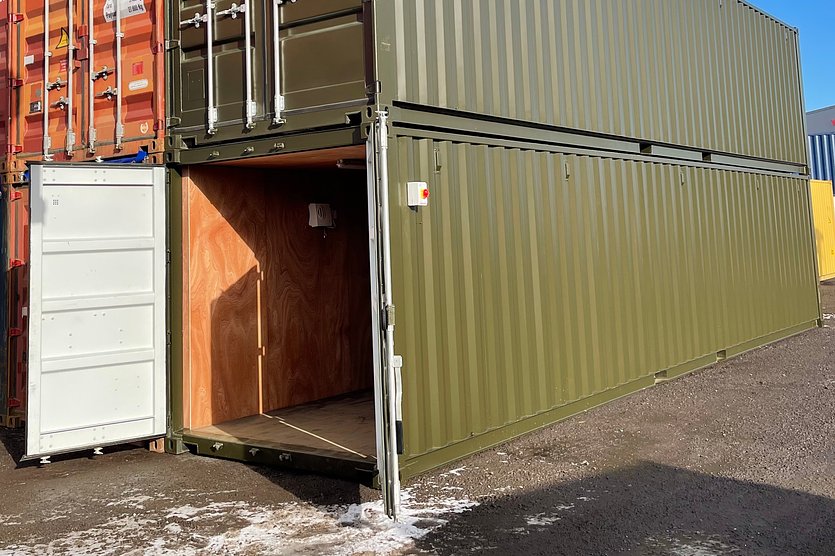
Shipping Container Transport: An Essential Component of Global Trade
Shipping container transport has transformed the method items are transferred around the globe, making it more effective and cost-effective than ever previously. This article will dissect the intricacies of shipping container transport, elaborate on its significance in international commerce, and address common questions that arise in the logistics market.
The Evolution of Shipping Container Transport
The idea of Shipping Container Business products in containers dates back to the 1950s. Before the widespread adoption of containers, items were loaded and unloaded from ships in a labor-intensive process that made transport slow and cumbersome. Malcom McLean, a trucking business owner, is credited with pioneering using standardized shipping Sea Containers, which enabled intermodal transport-- moving cargo effectively across different transport modes, such as trucks and trains.
Table 1: Timeline of Key Developments in Shipping Container Transport
| Year | Occasion |
|---|---|
| 1956 | First containerized shipping service introduced |
| 1966 | International Organization for Standardization (ISO) establishes container dimensions |
| 1970 | Intro of the first devoted container ship |
| 1980s | Surge in worldwide trade causes increased container traffic |
| 2000s | Emergence of mega-container ships, increasing effectiveness |
How Shipping Container Transport Works
The shipping container transport procedure involves a number of stages:
Container Loading: Containers are packed at the manufacturer's center, frequently using cranes and other machinery to make sure speedy operation.
Transport to Port: Loaded containers are transferred by means of trucks or trains to the nearby shipping port.
Customs Clearance: Before containers can be packed onto vessels, they need to pass through customizeds, where they are examined, and responsibilities are evaluated.
Vessel Loading: Once cleared, containers are filled onto cargo ships, often using specialized cranes.
Ocean Transport: Containers are transported across oceans to their destination ports.
Port Handling: Upon arrival at the location port, containers are unloaded and carried to their final location, frequently through trucks or trains.
Table 2: Modes of Transport in Container Shipping
| Mode | Description | Advantages | Disadvantages |
|---|---|---|---|
| Rail | Trains transport containers overland | Cost-efficient for long ranges | Limited by rail infrastructure |
| Trucking | Trucks transport containers from ports to inland areas | High versatility, door-to-door service | Greater costs for cross countries |
| Shipping | Cargo ships transport containers throughout oceans | Affordable for large volumes | Slower transit times |
Benefits of Shipping Container Transport
Shipping container transport has numerous advantages that make it crucial for modern trade:
1. Effectiveness:
Containerization lowers dealing with time, enabling for faster loading and unloading, which speeds up general transit times.
2. Cost-Effectiveness:
By combining goods into a single container, shippers can benefit from economies of scale, reducing shipping costs per system.
3. Security:
Containers provide a safe way to transport goods, reducing theft and damage throughout transit.
4. Intermodal Flexibility:
Shipping Container Construction containers can be quickly transferred in between ships, trucks, and trains, helping with smooth transport across several modes.
5. Standardization:
Uniform container sizes simplify filling and dumping processes, reducing time and labor costs.
Challenges in Shipping Container Transport
Regardless of its numerous advantages, shipping container transport deals with some obstacles, including:
1. Port Congestion:
Busy ports can cause delays in packing and discharging procedures.
2. Customs Compliance:
Navigating complex customs guidelines can complicate Shipping Containers For Sale schedules.
3. Environmental Impact:
While shipping is normally more efficient than other kinds of transportation, it still contributes to carbon emissions.
4. Supply Chain Disruptions:
Global occasions, such as pandemics or geopolitical stress, can disrupt Shipping Container Modifications routes and schedules.
The Future of Shipping Container Transport
As global trade continues to expand, developments in shipping container transport are most likely to emerge. Technological improvements, such as digital tracking systems and automated loading/unloading processes, are currently making waves in the industry. In addition, there is a growing focus on sustainable practices to decrease the environmental impact of shipping activities.
Table 3: Emerging Trends in Shipping Container Transport
| Trend | Description |
|---|---|
| Digitalization | Application of IoT and blockchain for real-time tracking |
| Automation | Use of robots and AI for loading/unloading containers |
| Sustainability Initiatives | Adoption of greener fuels and environment-friendly shipping practices |
| Increased Use of Mega-Ships | Larger vessels to take full advantage of cargo capability and reduce costs |
Often Asked Questions (FAQs)
1. What types of items can be transferred in shipping containers?
Shipping containers can transport a wide array of goods, including basic materials, produced products, perishables, and dangerous materials, supplied they meet safety policies.
2. For how long does it require to deliver a container overseas?
Transit times vary based on the shipping path, climate condition, and port congestion. Usually, shipping from Asia to North America can take 2-6 weeks.
3. What is a TEU?
A Twenty-foot Equivalent Unit (TEU) is a standard measurement used in the shipping industry to measure cargo capability. One TEU is equivalent to a standard 20-foot shipping container.
4. How are shipping expenses computed?
Shipping costs are affected by various elements, including distance, container size, weight, and the picked transportation approach (shipping, rail, or truck).
5. Exist insurance alternatives offered for container shipments?
Yes, shippers can buy cargo insurance coverage to protect versus loss or damage throughout transportation.
Shipping container transport remains a cornerstone of global trade, driving global commerce and linking markets across different continents. Despite dealing with particular difficulties, the advantages-- performance, cost-effectiveness, and security-- make it an important part of today's economy. As the industry continues to develop, accepting new innovations and sustainable practices will make sure that shipping container transport remains a crucial gamer in the future of global trade.
댓글목록
등록된 댓글이 없습니다.