![DLC 코팅 전문기업 글로시티 [DLC코팅, 진공증착, 진공가열챔버, 진공건조, 스퍼터링 진공장비, 진공펌프, 진공규격품 전문기업]](http://www.glocity.co.kr/img/logo.jpg)
10 Quick Tips To Shipping Container Construction
페이지 정보
작성자 Maribel 작성일26-07-08 11:35 조회6회 댓글0건관련링크
본문
Shipping Container Construction: An Innovative Approach to Modern Building
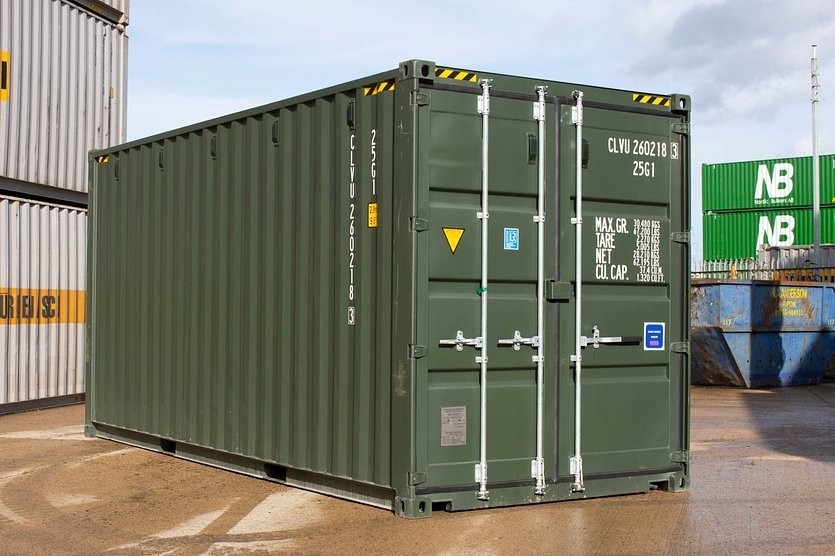
In the last few years, Shipping Container Housing container construction has actually ended up being a popular option to traditional structure techniques. With their resilience, affordability, and flexibility, shipping Dry Storage Containers are being transformed into homes, offices, and even fashionable cafes. In this article, we will explore the benefits of shipping container construction, explore the procedure of transforming containers into habitable or functional areas, and respond to common questions about this ingenious structure pattern.
The Advantages of Shipping Container Construction
Shipping containers are not just metal boxes; they are robust structures that offer various advantages when used in construction.
1. Cost-Effectiveness
Among the primary reasons for the increase of shipping container construction is cost savings. Compared to conventional structure methods, container homes can be constructed for substantially less.
| Element | Standard Construction | Shipping Container Prices Container Construction |
|---|---|---|
| Typical Cost per Square Foot | ₤ 150 - ₤ 300 | ₤ 100 - ₤ 200 |
| Speed of Construction | 6 months to over a year | A few weeks to a couple of months |
| Labor Costs | High | Lower due to less complicated labor |
2. Sustainability
Repurposing shipping containers reduces waste and decreases the environmental effect related to new products. Numerous containers are treated with very little chemicals, making them a greener option when appropriately insulated and completed.
3. Resilience and Weather Resistance
Constructed to withstand harsh marine conditions, shipping containers are very durable and can endure serious weather, consisting of high winds and rains. This strength makes them an ideal option for different climates.
4. Versatility and Customization
Shipping containers can be combined and modified to create unique spaces. The modular nature of containers enables for easy design changes.
| Customization Option | Description |
|---|---|
| Size Alteration | Containers can be cut and integrated to increase space. |
| Insulation Solutions | Various types of insulation can be requested temperature control. |
| Interior Layout | Open layout can be created to fulfill individual needs. |
| Exterior Finishes | Different materials can be used for a distinct appearance. |
The Process of Shipping Container Construction
Transforming a shipping container into a practical space includes several key steps:
Step 1: Planning and Design
Before starting, it is crucial to detail what you wish to accomplish. This consists of figuring out the purpose of the container, the variety of containers required, and compliance with regional building codes.
Action 2: Sourcing Containers
Containers come in different sizes, generally 20 or 40 feet long. When sourcing, it's important to try to find containers that are structurally sound and devoid of substantial rust or damage.
Step 3: Modifications
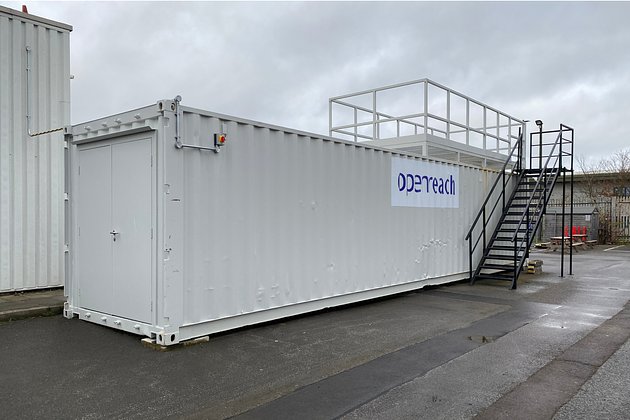
Dry Storage Containers might need modifications, such as cutting windows, doors, and ventilation systems. This action is where creativity can flourish, as the design and design can be customized to meet specific requirements.
Step 4: Insulation and Utility Installation
Proper insulation is essential for maintaining a comfortable interior environment. After insulation, plumbing, electrical systems, and HVAC systems can be set up.
Step 5: Finishing Touches
This final phase includes adding floor covering, cabinetry, and other visual components to ensure the area is functional and aesthetically enticing.
Often Asked Questions (FAQs)
Q1: Are shipping container homes safe?
A: Yes, when developed and developed correctly, Shipping Container Homes [navigate to this web-site] can be really safe. Nevertheless, it is necessary to work with professionals who understand structural integrity and regional building regulations.
Q2: Can I fund a shipping container home?
A: Yes, numerous lending institutions use funding choices for container homes, but it might depend on your area and the lending institutions' policies. It's advisable to contact local banks or home mortgage business.
Q3: Are shipping containers insulated?
A: Shipping containers are typically not insulated at the factory, so it is required to add proper insulation throughout the construction procedure to keep temperature level control.
Q4: How long will a shipping container last?
A: With appropriate upkeep, a shipping container can last 25 years or more. Regular examinations and upkeep help to lengthen its life-span.
Q5: Can I develop a shipping container home in cold climates?
A: Yes, shipping container homes can be developed to hold up against cold climates. Proper insulation and heating unit can be incorporated to guarantee comfort.
Shipping container construction represents a distinct and ingenious technique to modern structure. The mix of cost-effectiveness, sustainability, and adaptability makes it an attractive choice for numerous house owners, entrepreneurs, and home builders alike. As urbanization continues, and the demand for inexpensive housing rises, shipping containers are most likely to play a progressively crucial function in the architectural landscape.
Whether as a primary residence, an imaginative office space, or an artistic coffee shop, shipping container construction provides unlimited possibilities. As more people begin to acknowledge the capacity of these tough metal boxes, we can expect to see much more creativity and resourcefulness in this amazing field of construction.
댓글목록
등록된 댓글이 없습니다.